New Lithium Battery Technology That Charges in Minutes
Tech News
New lithium battery technology that charges in minutes is changing how people think about power. Phones, cars, and energy systems all depend on batteries, and slow charging has always been a problem.
This topic matters most to beginners who want to know if fast charging is real, how it works, and when it will reach everyday devices without causing safety or lifespan problems.
What New Lithium Battery Technology That Charges in Minutes Means
New lithium battery technology that charges in minutes does not mean instant charging. It means reaching a high charge level in a very short time, often between five and fifteen minutes under controlled conditions.
Traditional batteries need long charging times to avoid damage. This newer approach focuses on faster movement of lithium ions without overheating or breaking down the battery materials.
Why Current Lithium-Ion Batteries Charge Slowly
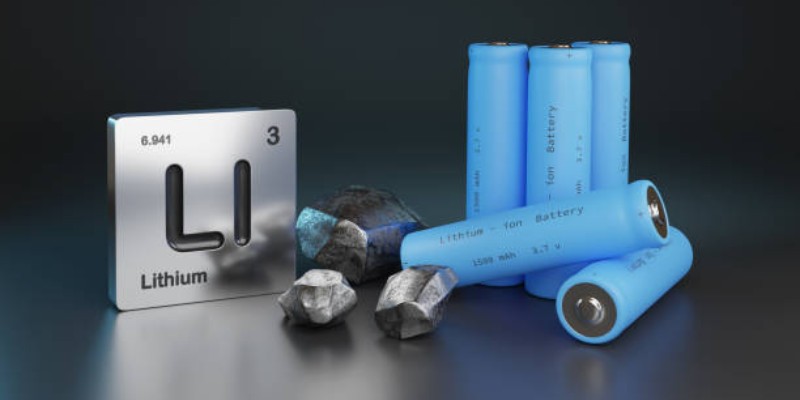
Standard lithium-ion batteries charge slowly because lithium ions move through liquid electrolytes at a limited speed. When charging happens too fast, lithium can build up on electrodes instead of spreading evenly.
This buildup causes heat, shortens battery life, and increases safety risks. That is why most devices limit charging speed even when power sources are strong.
What Makes This New Lithium Battery Technology Different
New lithium battery technology uses improved materials and structures to help ions move faster and more safely. Instead of forcing speed, the battery itself is designed to accept power quickly.
These batteries are still lithium-based, but they use advanced chemistry to reduce resistance and heat during fast charging cycles.
Materials Driving Faster Charging
Advanced Anode Materials
Many designs replace traditional graphite anodes with silicon blends or engineered carbon materials. These materials store more lithium and allow quicker ion flow.
This change helps new lithium battery technology that charges in minutes maintain stability during rapid charging.
Improved Electrolytes
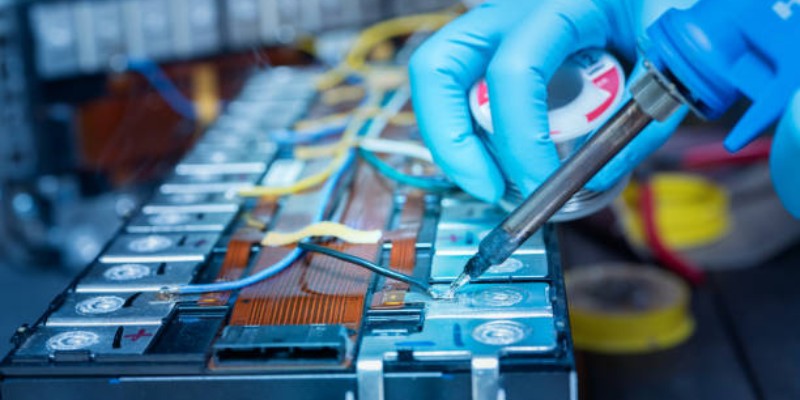
New electrolyte designs allow ions to move faster while staying chemically stable. Some versions reduce the flammable nature of liquid electrolytes.
This improvement lowers heat generation and improves overall safety during high-speed charging.
How Fast Charging Performs in Real Use
In controlled tests, some batteries reach eighty percent charge in under ten minutes. Real-world charging may take longer due to temperature and charger limits.
New lithium battery technology that charges in minutes works best with compatible fast chargers designed to deliver high power safely.
Safety and Battery Lifespan
Safety is a major concern with any fast charging system. New designs focus on reducing lithium plating, which causes short circuits and fires.
Many tests show that these batteries can handle hundreds of fast charging cycles with less damage than older lithium-ion designs. Trusted institutions continue to study long-term effects, including research shared by organizations like national energy laboratories.
Where This Technology Is Being Used First
Consumer Electronics
Phones and laptops often receive new battery technology before cars. Smaller batteries are easier to test and scale.
Users benefit from shorter charging times without changing daily habits.
Electric Vehicles
Electric vehicles gain the most attention from fast charging breakthroughs. Reducing charging time makes long trips easier and charging stations more efficient.
Automakers working with battery developers follow standards influenced by groups like international energy agencies.
Energy Storage Systems
Grid storage values durability more than speed. Still, faster charging helps store renewable energy during short production windows.
This makes renewable systems more flexible and reliable.
Manufacturing and Cost Challenges
Producing these batteries at scale remains difficult. Advanced materials cost more and require new manufacturing processes.
Until production improves, new lithium battery technology that charges in minutes will appear first in premium products.
When Widespread Use Is Expected
Limited commercial use has already started in small electronics. Electric vehicles may adopt this technology more widely within the next few years.
Large-scale adoption depends on cost reduction, safety validation, and charging infrastructure upgrades supported by groups like global automotive standards bodies.
How Daily Life Could Change
Faster charging changes routines. Phones can charge during short breaks. Vehicles can recharge during quick stops.
New lithium battery technology that charges in minutes reduces downtime and makes electric systems feel more convenient and reliable.
Why New Lithium Battery Technology That Charges in Minutes Matters
This technology solves one of the biggest battery frustrations without changing how people use devices. It improves speed while protecting safety and lifespan.
As development continues, new lithium battery technology that charges in minutes will support cleaner energy, better mobility, and more efficient daily power use.
Sources
Share this article:
Recommended For You




Most Viewed

ADVERTISEMENT